Nabata
Type
Website
Category
SaaS Hospitality Website
Role
UI Designer
UX Designer
Project Manager
Live Website

Mr. Victor C. Nwobodo
Co - Founder @ Nabata
Nabata
Nabataa is a hospitality management platform built for bars, restaurants, hotels, lounges, and event centres, any environment where service matters. By digitalising the ordering and payment process through a simple QR code, Nabataa removes the friction that costs venues customers every single night.
Smart Airs
Category
Website & Management System
The Problem
Getting a waiter's attention is unreliable
On a packed night, the only way to order is to wave someone down who is already managing five other tables. Most guests wait. Some leave. Either way, the venue loses.
Long waiting times damage the experience
From sitting down to getting served can take 20 minutes or more. That's not an occasional problem — it's the standard on any busy night, and guests carry that impression out the door with them.
Paying takes longer than it should
When guests are ready to leave, they have to reach out to the exact waiter who served them. Nobody else can close the bill. The table stays occupied, the guest gets frustrated, and the waiter gets pulled away from active orders to handle a payment that should have taken 30 seconds.
Price inflation by staff
Some waiters charge more than the menu price and pocket the difference. Guests rarely push back in a busy environment, so it goes unnoticed — until the venue starts losing regulars who don't know why they stopped coming back.
Nabata's Goal
Nabata's goal is straightforward, to replace the manual, frustrating, and error-prone service process that most Nigerian hospitality venues still run on today. Long waiting times, price inflation by staff, and zero visibility for owners are not unique problems. They play out every night in bars across Lagos, lounges in Abuja, and hotels in Port Harcourt. Nabata exists to close those gaps digitally, giving every person in the venue; guest, waiter, and owner exactly what they need to have a better experience.
Design process
This process involves understanding user needs and business goals, conducting research, creating wireframes and visual designs, testing with users, iterating based on feedback, and collaborating with development teams to deliver an intuitive, user-centered product.
01
Step
Understand
User Research
User Interview
Competitve Analysis
02
Step
Define
User Personas
Empathy Map
User Journey
03
Step
Ideate
User Flow
Information Architecture
04
Step
Design
Wireframe
Hi-Fi Designs
Prototype
05
Step
Test
Feedbacks
Conclusion
Future Concept
Meet the users
Real people, real problems. These personas shaped every decision
made in designing Nabataa
Bar & Lounge Owner
Chidi Okafor

Waiter
Emeka Nwosu

Guest
Sade Adeyemi

Design Approach & Proposed Solution
A brief walkthrough of the thinking behind Nabata the real-world problem that sparked the idea, the three users it was built for, and the solution proposed before a single screen was designed.
Defining the Problem
Space
The problem came from personal experience, sitting at a bar, unable to get a waiter's attention, waiting too long to pay, and being overcharged with no way to verify it. That frustration was the brief.
Three users were at the centre of it: the guest who couldn't order, the waiter who had no structure, and the owner who had no visibility. The solution had to work for all three at once.
Design principles
established for Nabata
Zero effort for the guest
A first-time user had to be able to scan the QR code and place an order within 60 seconds, with no guidance needed.
Glanceable for the waiter
The waiter interface had to communicate the table number and order details at a glance, without the waiter having to read through a wall of information between tasks.
Control, not complexity, for the owner
The dashboard had to surface what mattered immediately, keep active issues visible, and push everything else to the background.
What this led to
These principles shaped every design decision that followed — the layout of the guest menu, the structure of the waiter's notification and order pop-up, the hierarchy of the owner's dashboard. The design wasn't decorative. Every choice traced back to one of those three users and one of those three principles.
Nabata didn't start as a software project. It started as a question: what would the hospitality experience look like if it actually worked for everyone in the room? The design was the answer.
User Task flow
A step-by-step look at how users move through Nabata from entry point to goal,
with no unnecessary detours.
Guest's user flow
scan, order, pay

Waiter's user flow
Accept, serve, confirm payment

Admin's user flow
Set up, then run the restaurant
Low Fidelity Wireframes
A closer look at the screens that define how Nabata works from first tap to final transaction.
Guest's Screens
The guest's interface


Waiter's Screens
The waiter's interface that enables the waiter to carry out tasks


Owner's Dashboard
An overview of the entire operation

Featured Screens
A closer look at the screens that define how Igree works from first tap to final transaction.
Guest's Interface
Placing an order
Waiter's Interface
Accepting an Order
Owner's Interface
Setting up an Enterprise dashboard
Owner's Interface
Owner's Admin Console
Nabata's Impact on
Nigerian Bars, Lounges
& Hotels
Guests
Ordering no longer depends on catching a waiter's attention in a crowded room. Prices are transparent and fixed. Paying is a single tap rather than a 20-minute search for the right person. The experience of going out becomes what it was always supposed to be enjoyable.
Waiters
The job becomes manageable. Every order arrives as a notification with full details. Nothing gets missed, nothing gets written down incorrectly, and performance is tracked automatically which means the waiters doing their job well finally have something
to show for it.
Owners
Nabata delivers something most Nigerian venue owners have never had real visibility. They can see which tables are most active, which staff are performing, which menu items are driving revenue, and where orders are falling through. That kind of data turns gut-feel decisions into informed ones.
Colour guide
Every colour in Igree is deliberate chosen to build trust, guide attention, and keep the experience feeling consistent from screen to screen.

Typography
The typeface choices across Igree prioritize readability without sacrificing personality clean enough for commerce, distinct enough to own.

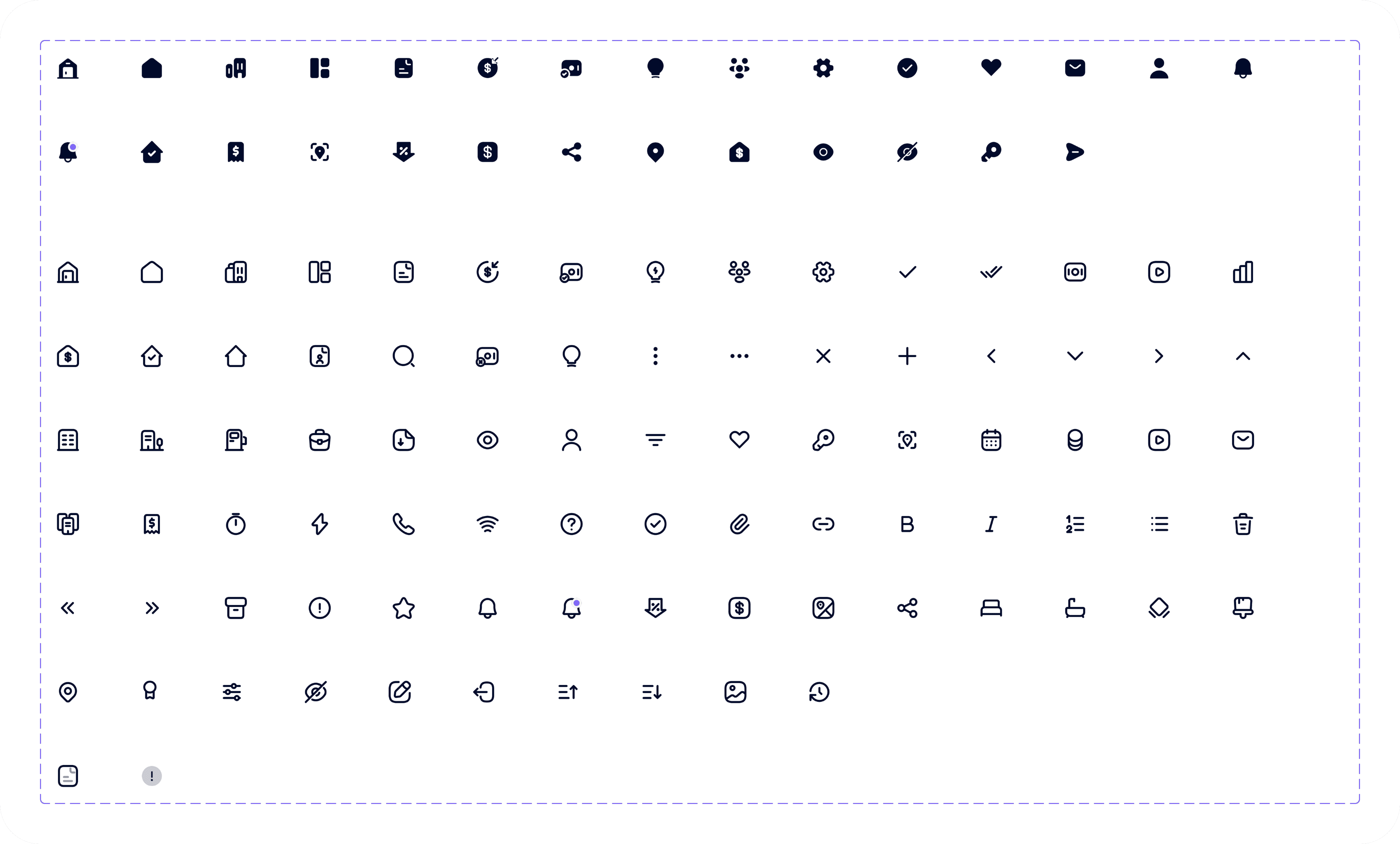
Iconography
Every icon in Igree is built for instant recognition simple enough to read at a glance,
consistent enough to feel like one system.
Management System
Smart Airs
Tax Revenue Collection System
Web Application
Nabata
SaaS Hospitality Website
Explore all projects


Available for Freelance
Back to Top
Available for Freelance
Back to Top
Let’s Create
something extraordinary
together
Let’s make an impact!


Victor C. Nwobodo
UI UX Designer



Contact me
designwithvcn@gmail.com
Hit me up if you’re looking for a fast, reliable UI UX Designer who can bring your vision to life
Designed with ❤️, Logic and a lot of Coffee.
Copyright © Web Design and Development, 2026
Created by
Victor Nwobodo