
Miss. Abigail Ofori
CEO @ Vendly
Vendly
Vendly is a free storefront builder for Ghanaian vendors who've been selling through WhatsApp DMs and Instagram comments. It takes about 5 minutes to set up, no code, no monthly fee, no cut of your sales. Orders come straight into your WhatsApp already formatted, and you and the customer handle payment however you like. Delivery tracking and analytics are in there too. But honestly the product is built around one thing: getting rid of "DM for price" and "is this still available." Everything else is secondary.
Smart Airs
Category
Website & Management System
The Problem
Selling happens over DMs, and it shows
A customer likes something, then has to ask what it costs. Then if it's in stock. Then what colors it comes in. By the third message back and forth, most people have already moved on to a shop that just tells them the price upfront
The "proper" alternatives ask too much just to try
Shopify and WooCommerce exist, but setting one up means weeks of fighting with themes before a single sale happens. For a vendor who just wants to see if selling online works for them, that's a lot to commit to on a maybe.
Payment gateways hold your money hostage
Even after a store's built, funds sit with the gateway for days before a vendor can actually use them. Ghanaian vendors run their business day to day, not around someone else's payout schedule.
Vendly's Goal
Vendly's goal is straightforward: give Ghanaian vendors a real storefront without the cost, the wait, or the technical learning curve. "DM for price," fee-skimming payment gateways, weeks lost setting up a Shopify store — none of that is unique to one seller. It's what selling on Instagram and WhatsApp looks like every day, in Accra, in Kumasi, everywhere in between. Vendly exists to fix that, so any vendor can have a proper shop live in minutes, and keep what they earn without anyone else holding onto it first.
Design process
This process involves understanding user needs and business goals, conducting research, creating wireframes and visual designs, testing with users, iterating based on feedback, and collaborating with development teams to deliver an intuitive, user-centered product.
01
Step
Understand
User Research
User Interview
Competitve Analysis
02
Step
Define
User Personas
Empathy Map
User Journey
03
Step
Ideate
User Flow
Information Architecture
04
Step
Design
Wireframe
Hi-Fi Designs
Prototype
05
Step
Test
Feedbacks
Conclusion
Future Concept
Meet the users
Real people, real problems. These personas shaped every decision
made in designing Nabataa
Business Owner
Abena Osei

Customer/ Shopper
Kwabena Mensah

Design Approach & Proposed Solution
A look at the thinking behind Vendly, the real problem that shaped it, who it was built for, and the solution laid out before any screen got designed.
Defining the Problem
Space
The problem came from watching how vendors actually sell in Ghana: through WhatsApp DMs and Instagram comments, answering the same "how much" and "is this available" over and over, watching interested customers go quiet mid-conversation and never come back.
Two users mattered here: the vendor with no real storefront, and the customer with no easy way to browse or buy without messaging first. Whatever got built had to work for both of them.
Design principles
established for Vendly
Zero friction to launch
A vendor with no technical background had to be able to go from sign-up to a live, sellable storefront in under 5 minutes.
Familiar, not foreign, checkout
The buying experience couldn't ask customers to learn something new, it had to work the way they already order, through WhatsApp, just without the back-and-forth.
Nothing standing between the vendor and their money
No payment gateway holding funds. No fee eating into a sale. The vendor decides how and when they get paid.
What this led to
These principles ran through every decision after that — how the storefront gets built, how an order arrives formatted in WhatsApp, how invisible the tech stays to the vendor using it. None of it was for show. Every choice traced back to one thing: helping a vendor close a sale before the customer loses interest.
Vendly didn't start as a software idea. It started with a question — what would selling online actually look like if it worked the way vendors already sell? The product is the answer.
User Task flow
A step-by-step look at how users move through Nabata from entry point to goal,
with no unnecessary detours.
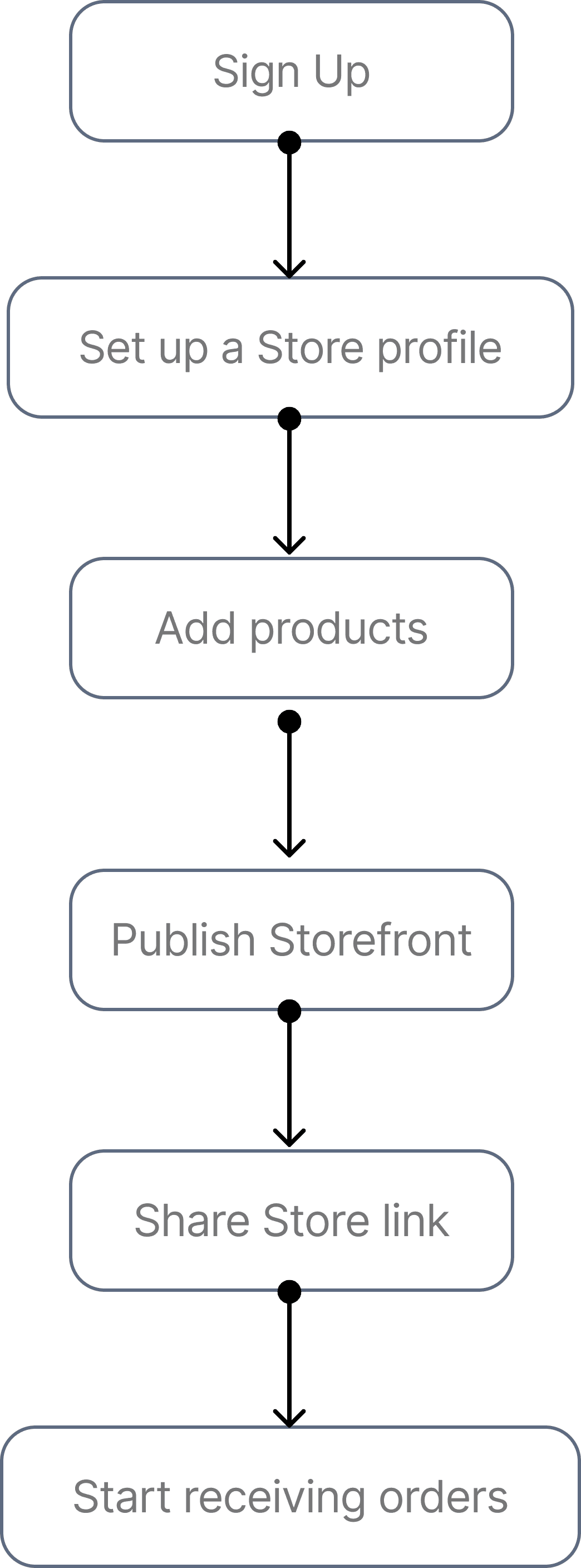
Customer's user flow
From browsing storefront, selecting a product to placing your order on whatsapp

Vendor's user flow
From creating an account, setting up your store and making your first sale
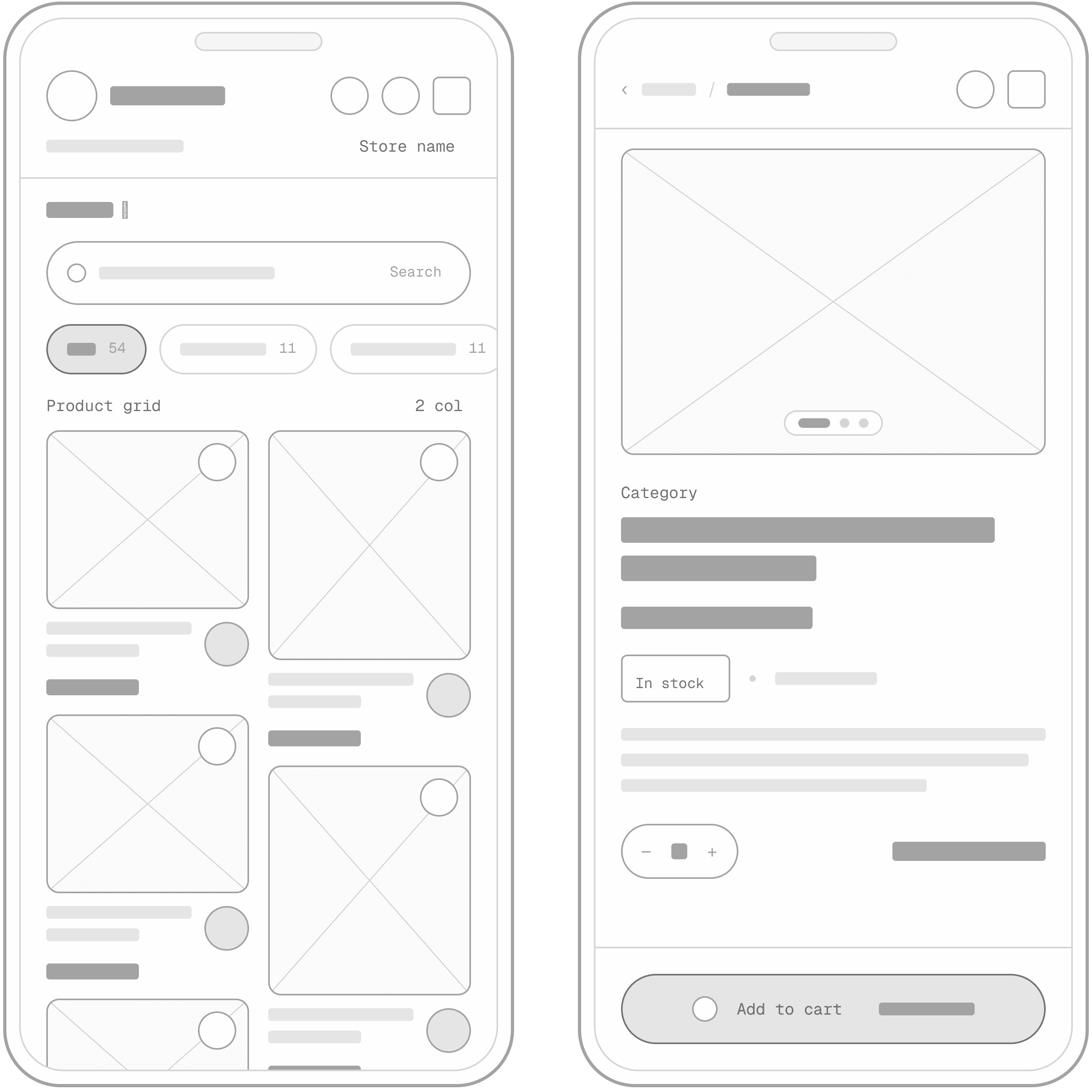
Low Fidelity Wireframes
A closer look at the screens that define how Nabata works from first tap to final transaction.
Shopper & Seller Screens
The Create account & Dashboard interface

Shopper's Screens
The Store & Product details interface
Vendor's Dashboard
An overview of the entire seller's operation

Featured Screens
A closer look at the screens that define how Igree works from first tap to final transaction.
Shopper's Interface
Placing an order
This section walks users through Placing an order on Vendly
Vendor's Interface
Setting up a Storefront
This section walks the user through setting up a storefront on Vendly
Vendor's Interface
Vendor's Dashboard
This section walks through the Vendor's dashboard on Vendly
Vendly's Impact on
Ghanaian Businesses
& Customers
Vendors
Selling stops eating up hours that should go into the actual business. A storefront that used to take weeks of setup now takes minutes. Orders show up formatted, not buried under a pile of DMs, and no fee sits between a sale and the money reaching the vendor. "DM for price" turns into a real shop that's open around the clock.
Shoppers
Buying stops requiring three messages before anyone tells you the price. Prices, stock, and details are right there, an order goes out in a couple of taps, and there's a real record of it instead of a DM thread to scroll back through. Buying from a small vendor starts to feel just as easy as buying from a big store.
Colour guide
Every colour in Igree is deliberate chosen to build trust, guide attention, and keep the experience feeling consistent from screen to screen.

Typography
The typeface choices across Igree prioritize readability without sacrificing personality clean enough for commerce, distinct enough to own.

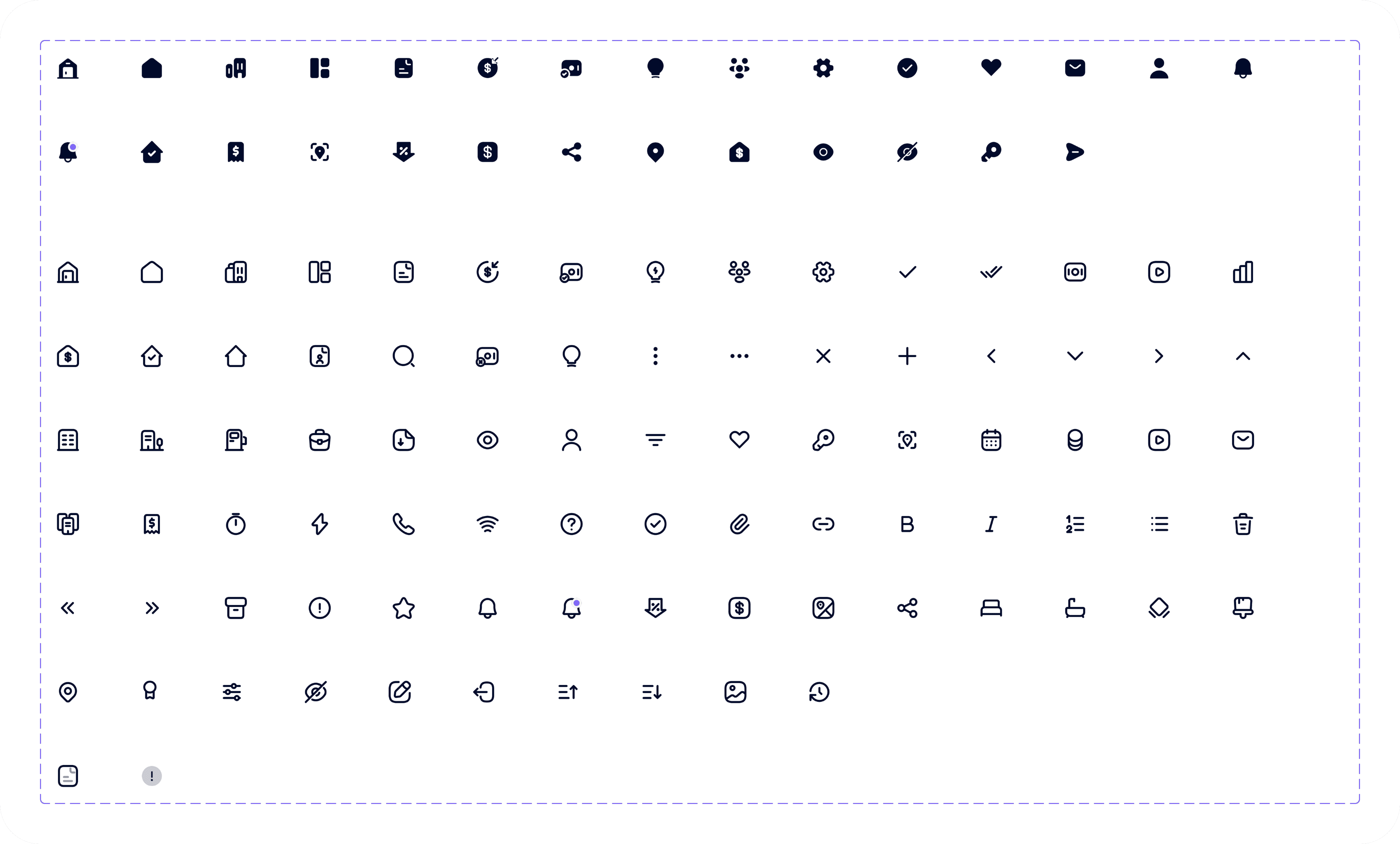
Iconography
Every icon in Igree is built for instant recognition simple enough to read at a glance,
consistent enough to feel like one system.
Management System
Smart Airs
Tax Revenue Collection System
Web Application
Nabata
SaaS Hospitality Website
Explore all projects


Available for Freelance
Back to Top
Available for Freelance
Back to Top
Let’s Create
something extraordinary
together
Let’s make an impact!


Victor C. Nwobodo
UI UX Designer



Contact me
designwithvcn@gmail.com
Hit me up if you’re looking for a fast, reliable UI UX Designer who can bring your vision to life
Designed with ❤️, Logic and a lot of Coffee.
Copyright © Web Design and Development, 2026
Created by
Victor Nwobodo